
Most gardens are designed for one month. Everything blooms in June, the photos look incredible, and then the show quietly ends. By August the beds look tired. By November they look empty. By February, you are staring out the window at a flat white rectangle.
Here in the GTA, that is a real problem, because winter is not a footnote. Your landscape spends nearly half the year outside of peak summer. Designing for all four seasons is how you make every one of those months count.
You see your garden all year, even when you are not in it
Here is the part most people forget: from November to April, your landscape is something you look at, not something you sit in. You see it from the kitchen window every morning. From the living room every evening. Through the front door every time you leave. In the coldest months, your garden becomes a series of framed views from inside the house.
A four season design treats those views as seriously as the summer patio. That is a completely different way of thinking about the same property, and it starts at the plan.
Winter reveals the design
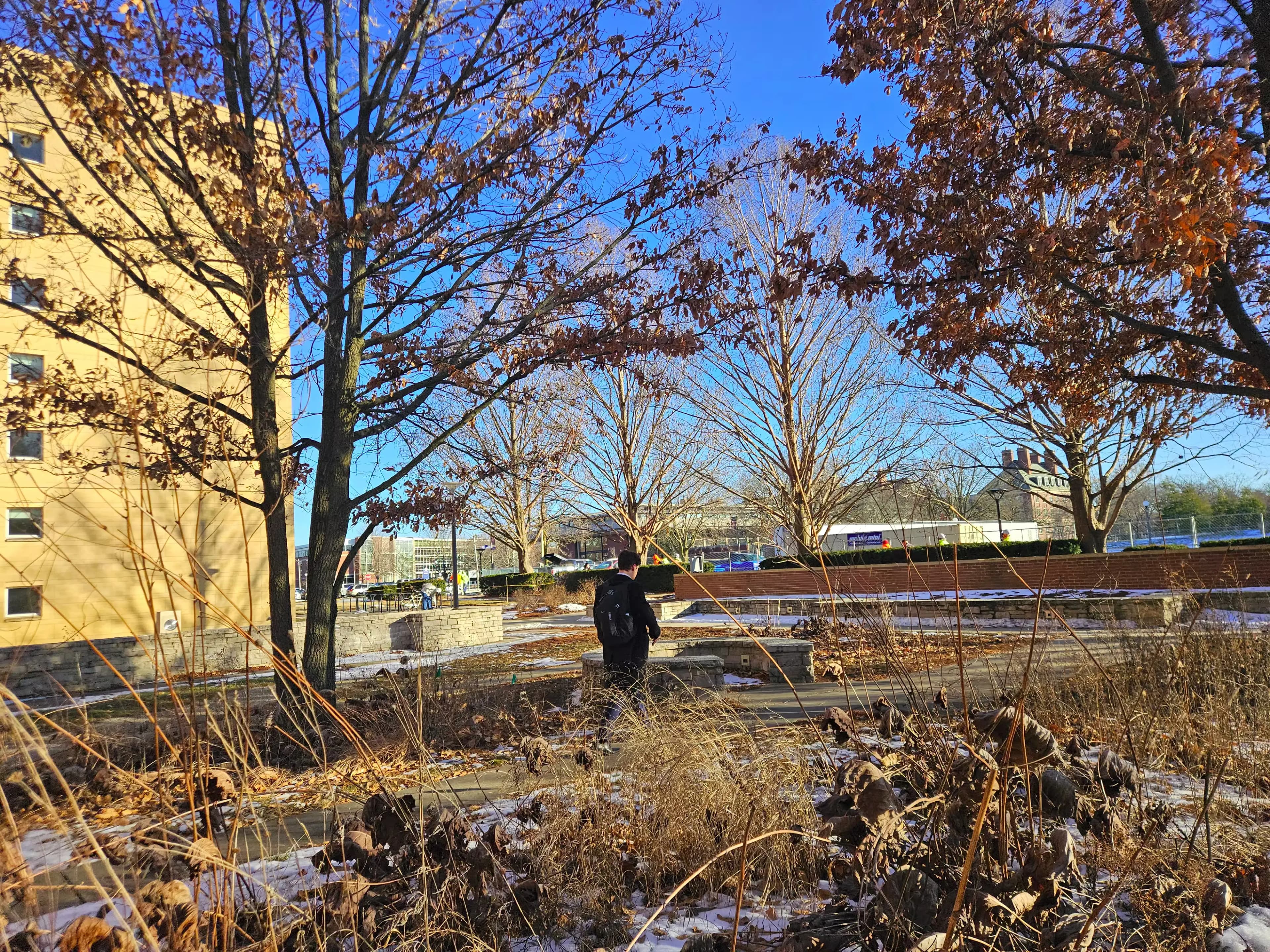
Summer is forgiving. Anything in bloom looks good. Winter tells the truth. When the flowers are gone, what remains is the actual design: the shape of the beds, the line of a path, the placement of trees, the rhythm of evergreens. If a landscape holds together in January, it was genuinely well designed.
The tools for winter are structural. Evergreens for weight and privacy. Ornamental grasses that catch snow and light. Trees chosen for their bark and branching, not just their leaves. Seedheads left standing instead of cut down. Snow stops being emptiness and starts being part of the composition, resting on every surface the design gave it.
Succession: a garden that takes turns
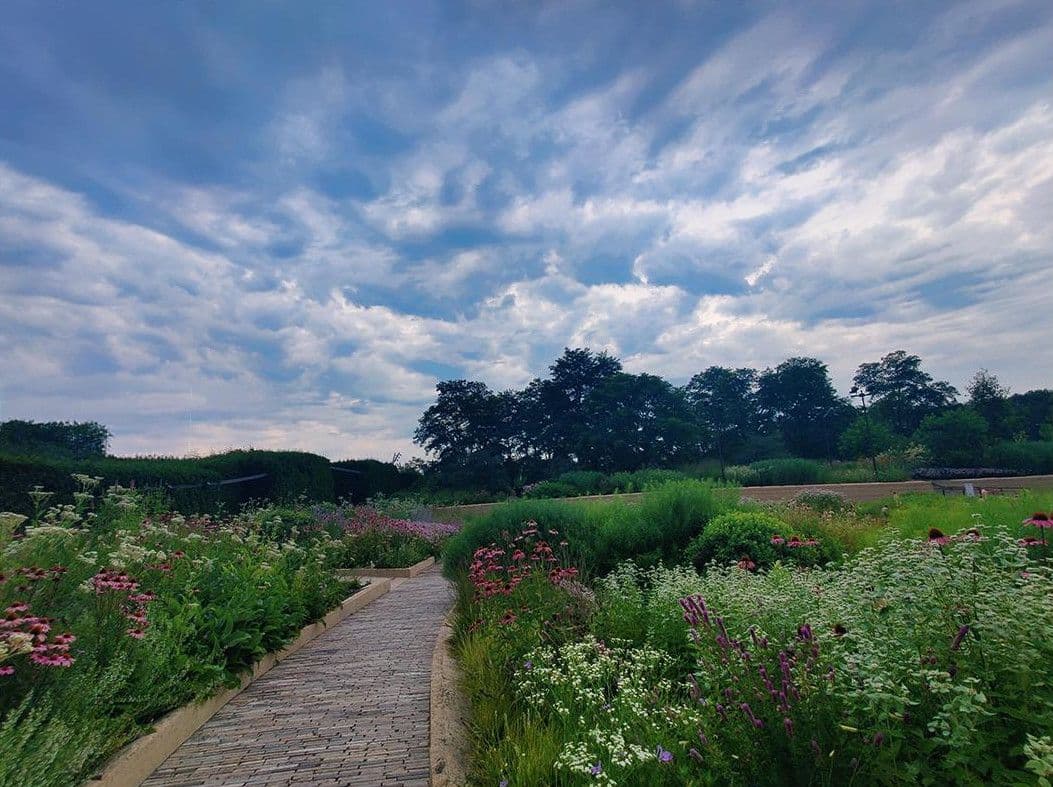
A four-season garden is planned like a relay, not a chorus. Bulbs and early perennials open the year in April and May. Summer bloomers carry June through August. Late perennials and grasses take over in September. Fall color hands off to berries, bark, and evergreen structure for winter.
At any given moment, something is stepping forward while something else steps back. This is succession planting, and it cannot be improvised at the garden centre. It is sequenced on paper, at the design stage, with bloom times and heights mapped across the calendar.
The shoulder seasons are where you actually live
Spring and fall are when the GTA is at its most usable. Cool mornings, comfortable evenings, no mosquitoes at their worst.
Yet most yards treat these months as an afterthought. A four-season design leans into them: early color that pulls you outside in April, a seating area placed for low autumn sun, planting that makes October feel like a second peak rather than a decline. If your landscape only works in July, you are using a fraction of what you paid for.
Four seasons of habitat, not just four seasons of looks
Year-round design is also year-round ecology. Berries and standing seedheads feed birds through winter. Uncut perennial stems shelter overwintering pollinators. Evergreens give wildlife cover when everything else is bare. The same choices that make a winter garden beautiful make it alive.
This is where four-season design and sustainable design turn out to be the same conversation.
Structure and light do the winter shift
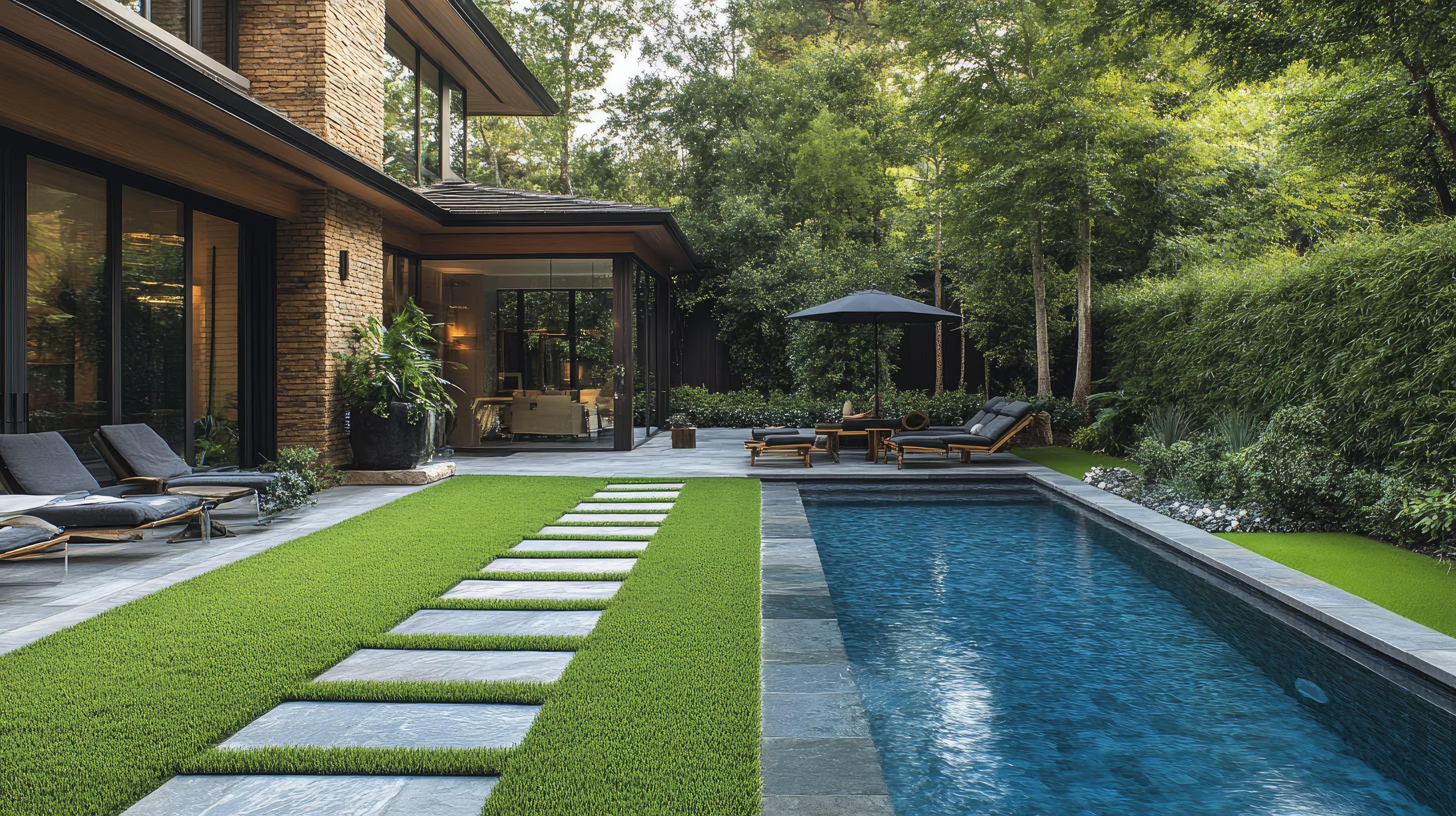
Plants are only half the toolkit. Hardscape holds the design when planting sleeps: a well-proportioned path, a low wall, a gate, a sculptural element. And landscape lighting earns its place in a Toronto winter more than anywhere, when darkness falls at five, and a lit tree or washed wall turns the view from your window into something worth looking at.
These are permanent investments, and they pay out most in the months people plan for least. This cannot be added later. It has to be designed in.
Here is why this belongs on a design blog and not a plant list
Four-season interest comes from placement, sequencing, and structure decided before anything is planted. Which view gets the winter tree. Where the evergreens anchor. How bloom times overlap. Once a garden is built as a June garden, retrofitting the other ten months means redoing it.
Designed in from the start, it costs nothing extra. It is simply better decisions on the same plan.
A garden for the year you actually have
The GTA gives you four real seasons. Your landscape should answer all of them. Not a one-month performance and a long intermission. A garden that opens in spring, fills in summer, glows in fall, and stands with quiet structure through the snow.