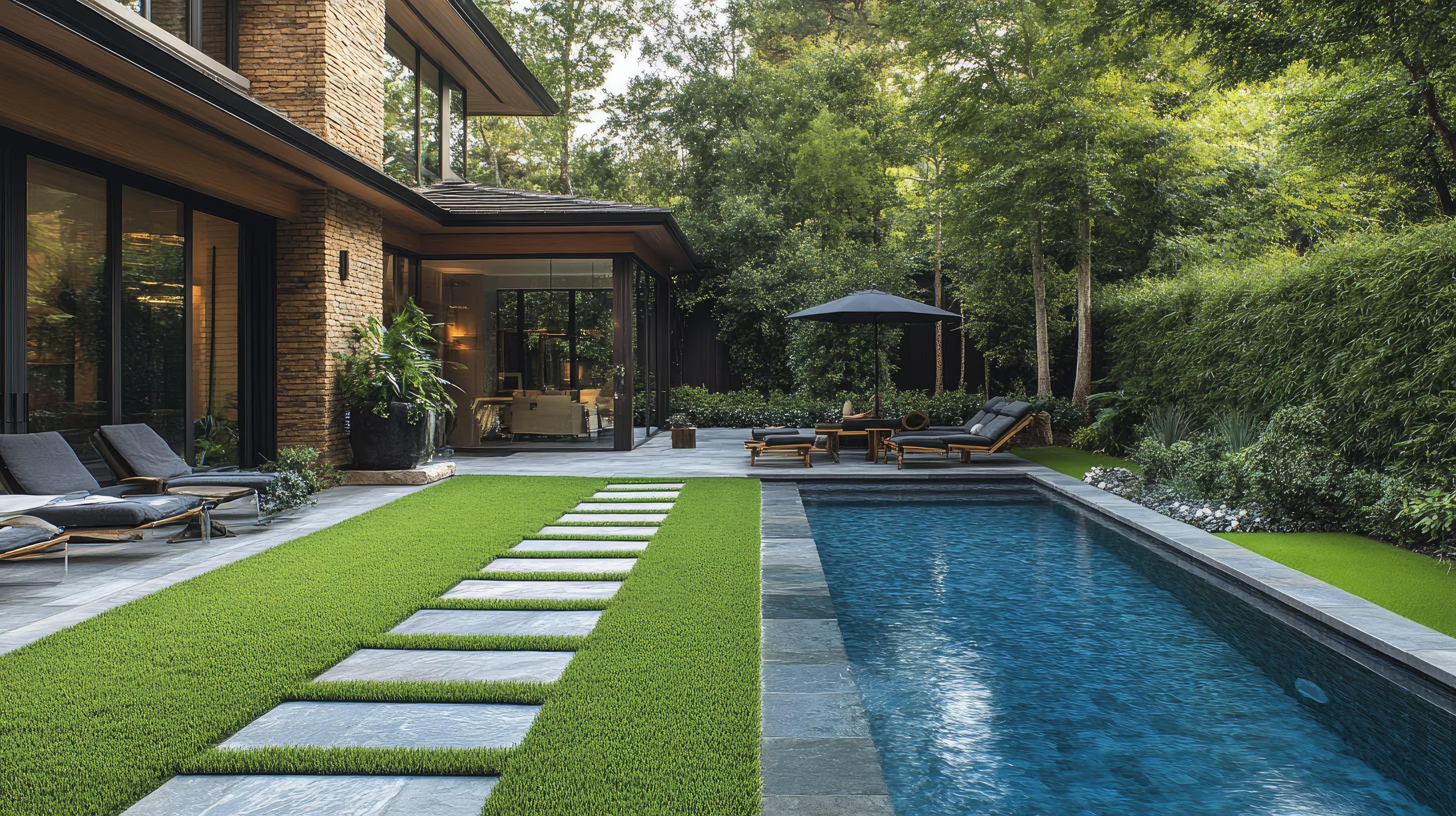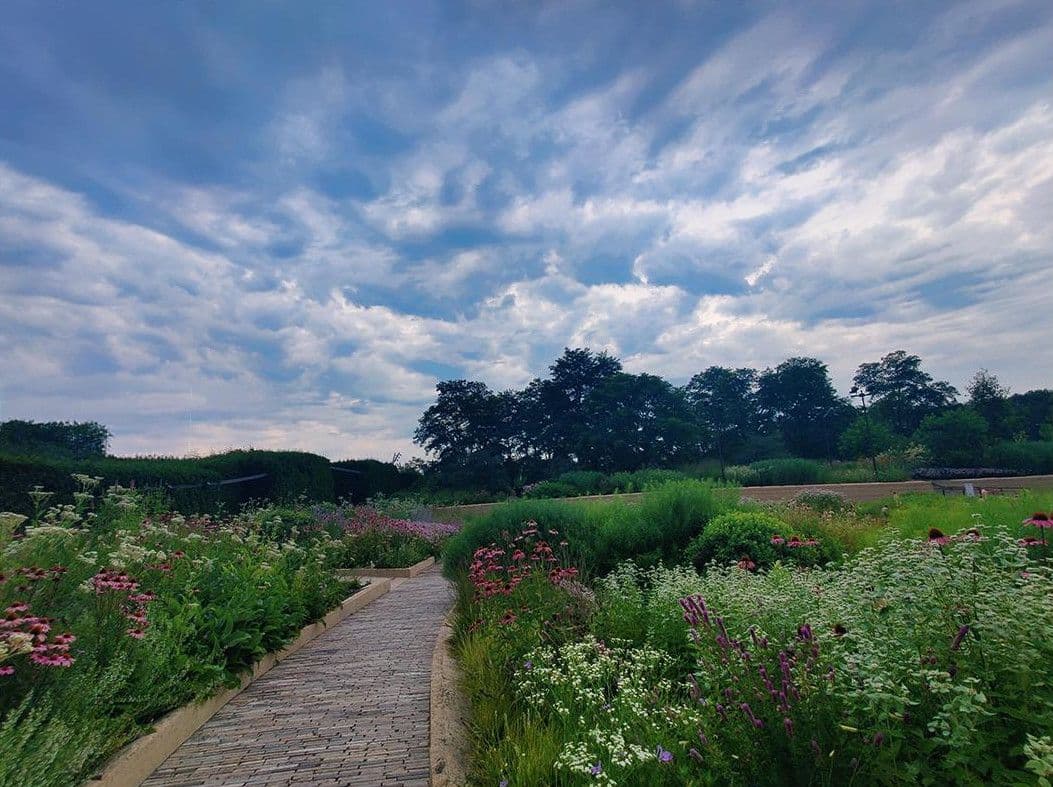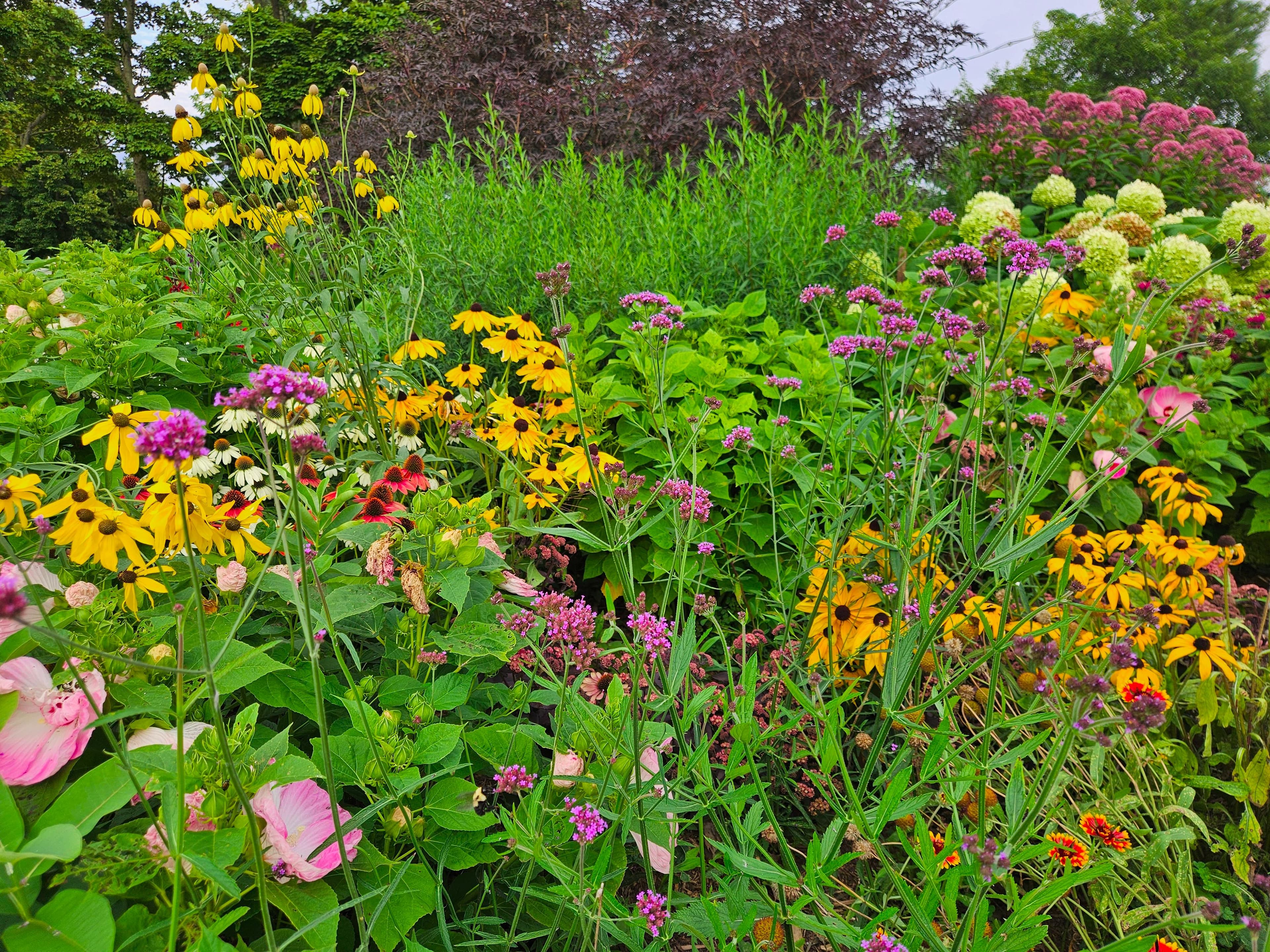
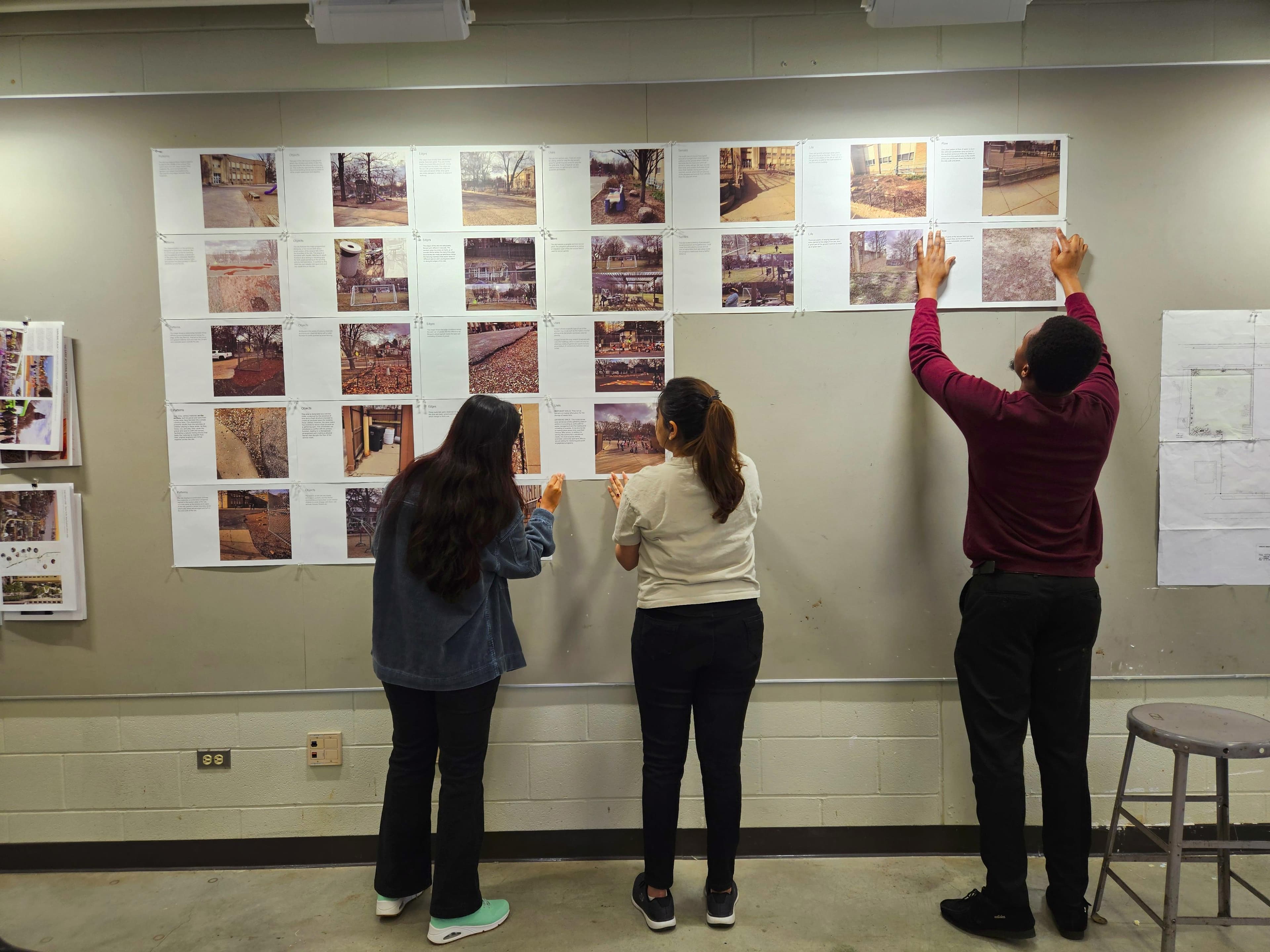
Hiring a landscape designer is a bit like hiring an architect for your outdoors. The right one turns your property into something you did not know it could be. The wrong one hands you a pretty picture that falls apart in construction.
The difference usually shows up in the first conversation, if you know what to ask. Here are the questions worth bringing.
1. What is your education and professional background?
This is the most important question on the list, and the one people skip. Design software is easy to learn. Design thinking is not. Someone who only knows the software can create visuals, but visuals are not ideas. You are hiring for the thinking behind the drawing: how water moves across your site, which plants will thrive in your soil, how a space will feel in ten years, not just in a render.
Look for a background in landscape architecture, horticulture, or environmental design. Formal education in these fields means your designer understands grading, drainage, plant science, and spatial design as a connected system. Membership or standing with a professional association, like the OALA in Ontario, is another good signal. A rendering shows you what a landscape looks like. Education is what makes it work.
2. What design styles and approaches do you offer?
Every designer has a range, and you want to know theirs. Ask what styles they work in and, more importantly, ask to see it. Modern and structured? Naturalistic and native-forward? Formal? A blend? A strong portfolio shows range and a clear point of view at the same time.
Also ask how they approach a style. A good designer does not copy a look onto your lot. They adapt it to your site, your architecture, and your life. If every project in their portfolio looks identical regardless of the property, that is worth noticing.
3. What exactly will I receive? Ask about deliverables
"A design" can mean anything from a sketch on trace paper to a full construction-ready package. Get specific.
Ask whether the fee includes a site analysis, concept plans, a final master plan, planting plans, material specifications, and 3D visuals or renderings. Ask what is drawn to scale and what a contractor could actually build from. This matters because deliverables are what carry your project into construction. A concept image inspires you. A detailed plan protects you.
4. What does your process look like, and how long does it take?
Good design follows a sequence: site visit and analysis, concept development, your feedback, refinement, final plan. Ask your designer to walk you through theirs.
Ask how many revision rounds are included, how feedback is handled, and what a realistic timeline looks like. A clear, confident answer here tells you the designer runs a real process. A vague one tells you the project will be improvised, and improvised projects drift.
5. How do you design around a budget?
A design you cannot afford to build is a beautiful piece of paper. Ask how the designer works with your budget. Do they discuss it upfront? Can they design in phases so you build over several seasons without losing the overall vision? Will they suggest material alternatives when a choice strains the numbers?
A designer who treats budget as part of the design, not an awkward afterthought, will save you from falling in love with something unbuildable.
6. Do you work with contractors during construction?
The handoff from paper to ground is where projects succeed or stumble. Ask whether the designer provides construction support: answering contractor questions, reviewing work against the plan, or being available for site visits at key stages. Even a design-only consultancy should produce documentation clear enough for a contractor to price and build accurately, and many offer support through the build. You want a designer whose plans are respected on site, not reinterpreted.
7. How will you learn about how I live?
The best question is one you should hope they ask you. A landscape should be designed around your routine: how you cook, host, rest, garden, and move through your day. If a designer starts talking solutions before asking how you live, they are designing a product, not your landscape. Listen for curiosity. It is the most reliable sign of a designer who will get it right.
The short version
Ask about education first. Then style, deliverables, process, budget, and construction support. And notice how many questions they ask you back.
Software skills produce images. Design education, site knowledge, and genuine curiosity produce landscapes that work.