
"Sustainable" gets attached to everything now. Sustainable materials, sustainable brands, sustainable yards.
So what does it actually mean when we talk about your landscape? It is simpler than the buzzword suggests. A sustainable landscape is one that works with your site instead of against it. Less input, less waste, less struggle. Here is what that looks like in practice.
1. A native planting palette suited to your site
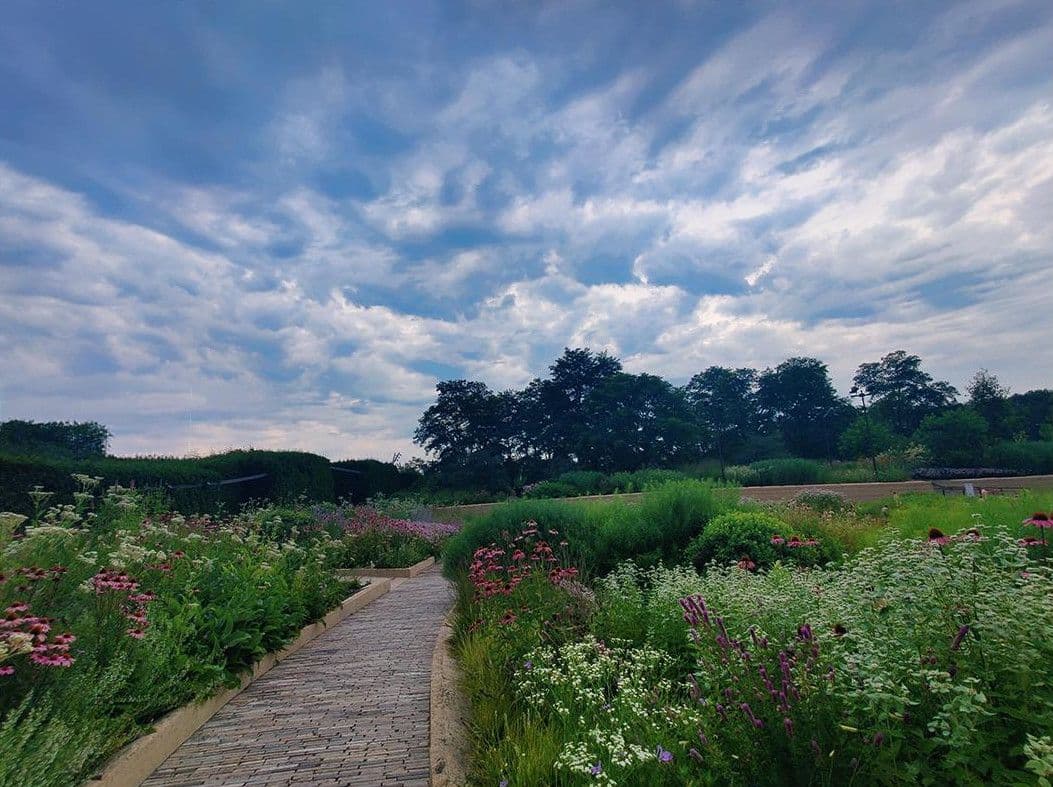
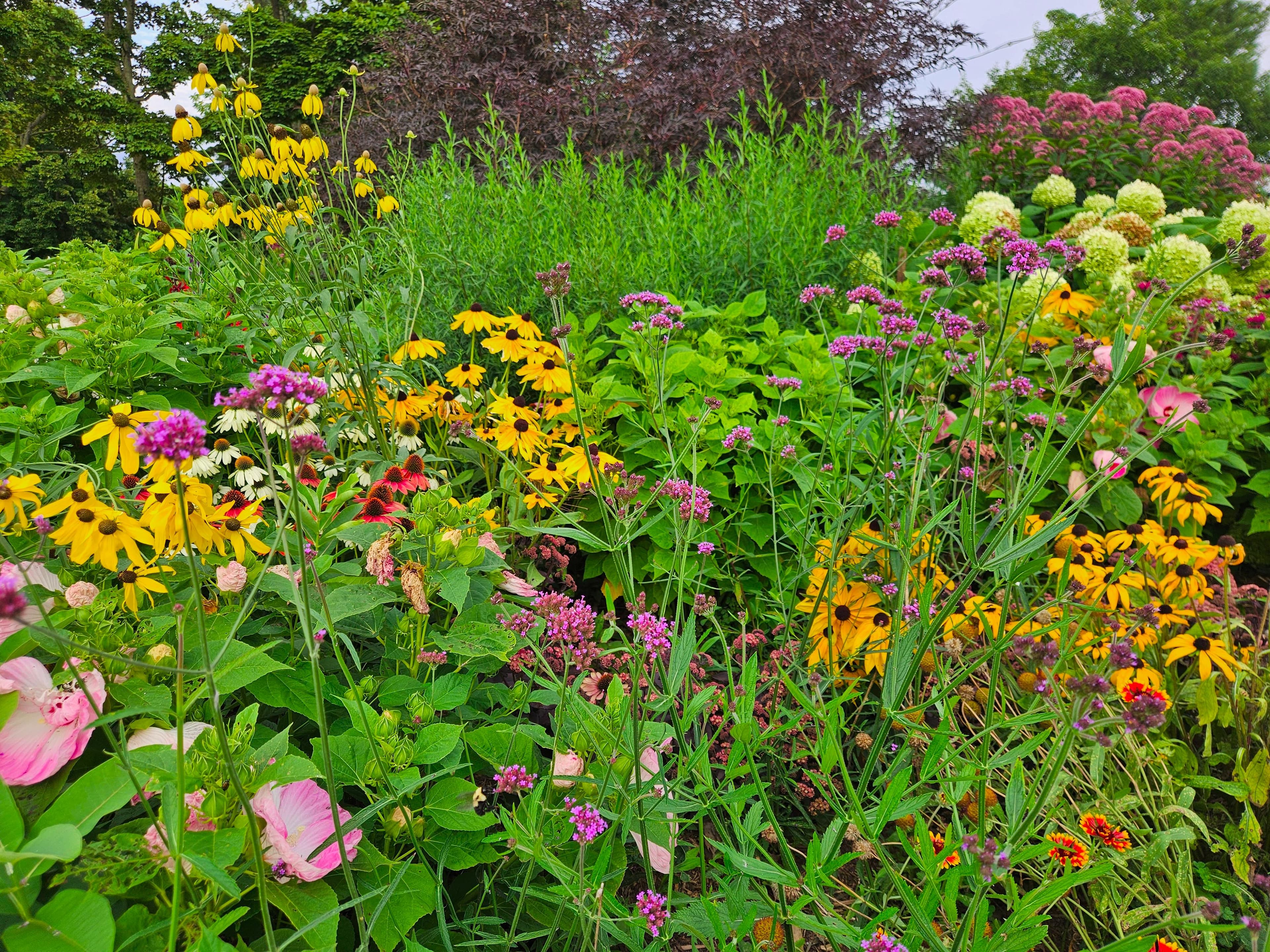
Sustainable planting is not about picking plants from a "native species" list and calling it done. It is about matching plants to your actual site conditions. Sun, shade, soil, moisture, exposure.
Native and well-adapted plants evolved for this climate. Once established, they need less watering, less fertilizing, and less rescuing. They also feed the pollinators, birds, and beneficial insects that keep a garden genuinely alive. The right plant in the right place is the entire principle. Everything else follows from it.
2. Working with your grading, not against it
Every site already tells you where water wants to go. Sustainable design listens. Instead of fighting your existing grades with pumps and pipes, a good design uses them. Low points become rain gardens. Gentle slopes direct runoff toward planting beds that want the moisture. Water that would have been a problem becomes free irrigation.
This is one of the quietest wins in landscape design. It costs less to build, and it keeps working for decades without maintenance.
3. A healthy ratio of permeable to impermeable surfaces
Patios, driveways, and walkways are necessary. But when too much of a property is sealed under hard surface, rainwater has nowhere to go. It runs off fast, overwhelms drains, erodes beds, and in the GTA, often ends up against your foundation.
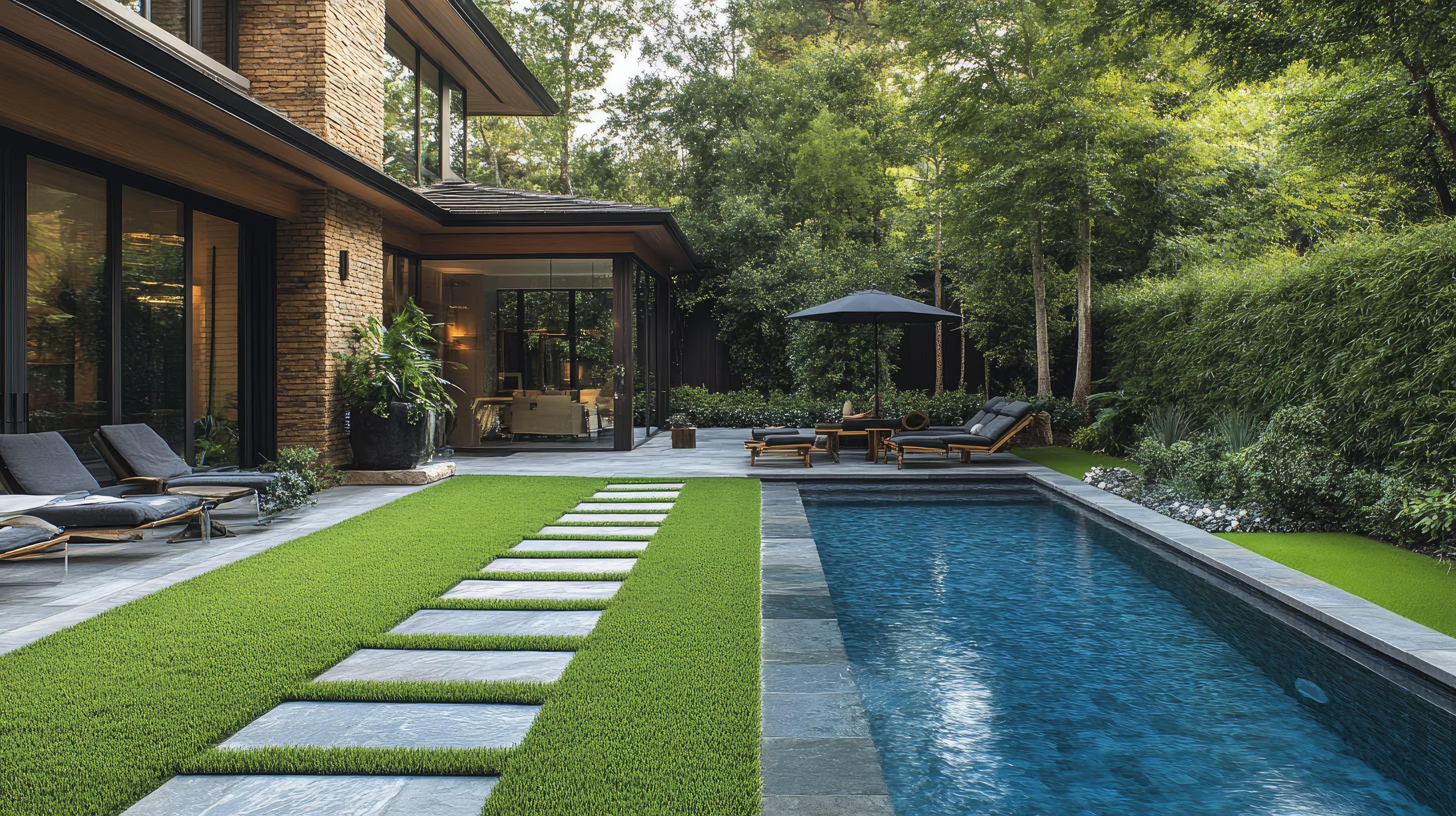
Sustainable landscaping keeps a healthy balance. Permeable pavers, gravel joints, planted areas, and open soil let water soak in where it falls. Your site drains the way land is supposed to drain. This is not just an environmental choice. It is basement protection.
4. Building soil health from the ground up
Soil is not dirt. It is a living system, and it is the foundation of everything growing above it. Sustainable landscaping protects and feeds that system. Compost instead of synthetic quick fixes. Mulch that holds moisture and breaks down into nutrition. Minimal disturbance, so soil structure and soil life stay intact.
Healthy soil holds more water, grows stronger plants, and reduces the need for fertilizer year after year. It is the least visible part of your landscape and the most important.
5. Designing for longevity, not replacement
A landscape that needs rebuilding every few years is not sustainable, no matter what is planted in it.
That means durable materials chosen for this climate and its freeze-thaw cycles. Plants positioned where they can mature instead of outgrowing their spot. A layout that anticipates how trees cast shade in ten years, not just how they look at planting. The most sustainable project is the one you never have to redo.
What sustainable landscaping is not
A few myths worth clearing up. It is not a messy, overgrown look. Sustainable landscapes can be crisp, structured, and refined. Sustainability lives in how the landscape works, not how wild it appears.
It is not zero maintenance. It is lower maintenance, shifting from constant intervention to seasonal care. And it is not all or nothing. Even one change, like converting a strip of struggling lawn into a native bed, moves your landscape in the right direction.
The payoff
A sustainable landscape asks less of you over time. Less watering. Less fertilizing. Less replacing. Lower bills, fewer problems, and a garden that gets better with age instead of tired.
That is the actual meaning of sustainable. Not a trend. A landscape built to last on its own terms.